
A video shot list is where a good commercial idea becomes a workable production plan. It names the pictures the edit will need, the order that makes sense to capture them, and the details that keep a busy set from relying on memory. That does not make the work less creative. It gives the creative work a better chance of making it all the way through the shoot.
A useful shot list is not a wish list of every cool angle someone can imagine. It is a shared checklist of the visual proof, product moments, performances, details, transitions, and sound that make the final story land. For a brand, it is also a simple way to see how the planned day supports the customer response the campaign needs.
Use this video shot list template after the central idea is agreed. It works for a focused product film, a customer story, or a larger commercial campaign. Start with what must be captured, then make the document practical enough for the people who will use it.
Start with the story job, not a camera menu
Before writing down shot sizes, return to the decision the work is meant to influence. Is the commercial introducing an unfamiliar product, making a local service easier to trust, showing a customer result, or putting a new offer in front of an established audience? The answer tells you which moments are essential. A product detail may carry the proof. A real person’s reaction may carry the feeling. A clear final action may carry the campaign’s purpose.
That is why a shot list belongs after the message has a home in a creative brief and, when the story needs it, a commercial script. The script gives the sequence a spine. The shot list asks what the audience needs to see, hear, and understand at each point in that sequence.
Mark the non-negotiable shots first. If time tightens, these are the images that keep the edit from losing the story. Everything else can be ranked around them as important coverage, useful options, or a nice-to-have if the day runs ahead.

Use one row for one clear piece of coverage
The strongest shot lists are readable at a glance. Every row should describe one piece of coverage someone can recognize on set. “Founder welcomes customer at the front door, medium shot, natural sound” is useful. “Get some good arrival footage” leaves too much to interpretation.
Industry templates commonly track the scene or setup, shot, framing, action, audio, priority, and status. The Video Rate Lab shot-list template uses that simple structure. Keep it, then add only the fields that answer a real production question, such as location, lens, talent, props, lighting, expected duration, or the version of the campaign that needs the shot.
For a commercial, the description needs to protect the meaning of the image, not only its technical label. “Close-up” alone is not a plan. “Close-up of the customer opening the app and seeing the confirmation” tells the crew what the close-up has to accomplish. If a line of dialogue, sound effect, or product interaction needs to sync with the image, write that down too.
Copy this video shot list template
Build the first draft in a shared spreadsheet or document. The exact format matters less than making the current version easy to sort, share, and use. Copy these column headings, then tailor them to the scale of the shoot.
Shot number: Give each item a simple number or label so the team can discuss a specific image without confusion.
Script beat or scene: Name the story moment the shot supports. This keeps coverage connected to the message instead of becoming a pile of unrelated images.
What the viewer sees: Describe the subject and action in plain language. Be specific about the product, person, behavior, or change that makes the shot useful.
Framing and angle: Note wide, medium, close-up, overhead, point of view, or another meaningful perspective. Use the label to guide the story, not to decorate the spreadsheet.
Movement and support: Say whether the camera is locked, handheld, tracking, moving on a slider, or doing something else that affects the setup and feeling.
Sound or dialogue: Capture spoken words, natural sound, music cues, product sound, voiceover timing, or a note that the shot is silent coverage.
Location, people, and props: Record what must be ready for the shot to happen, including talent, product, wardrobe, set dressing, or permissions.
Priority and status: Mark must-have, important, or optional, then give the crew a clear way to note completed, pending, changed, or dropped.
Notes for the edit: Add only what will prevent a problem later, such as room for copy, a vertical version, an alternate end frame, or an insert needed to cover a cut.
Group the list by the way the day will be filmed
A commercial is rarely captured in the order the audience sees it. A single location may host several story moments. One lighting setup may support a wide shot, a close-up, and all the detail coverage the edit needs. Grouping those shots together reduces needless resets and protects the time that produces better work.
Once the creative order is clear, sort the shot list by location, set, talent availability, wardrobe, lighting, and camera setup. This is where the plan connects to the production timeline and call sheet. The creative sequence still matters, but the schedule should make it realistic to capture that sequence without turning the day into a series of expensive backtracks.
Keep the client-facing version simple. A client may need to understand the essential visual beats and approve a product moment, a performance, or a location. The crew version can carry the practical details. Both should point back to the same approved idea.
Plan coverage that gives the edit room choices
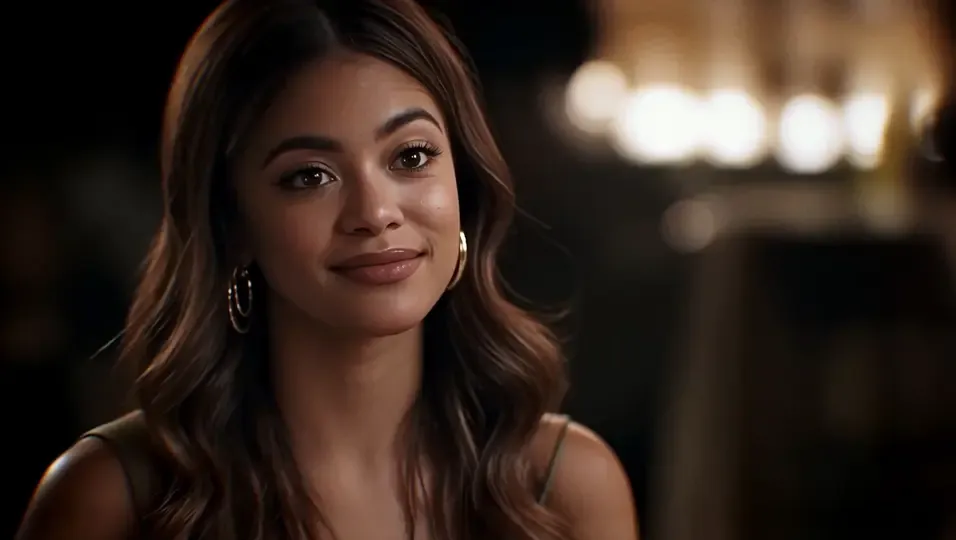
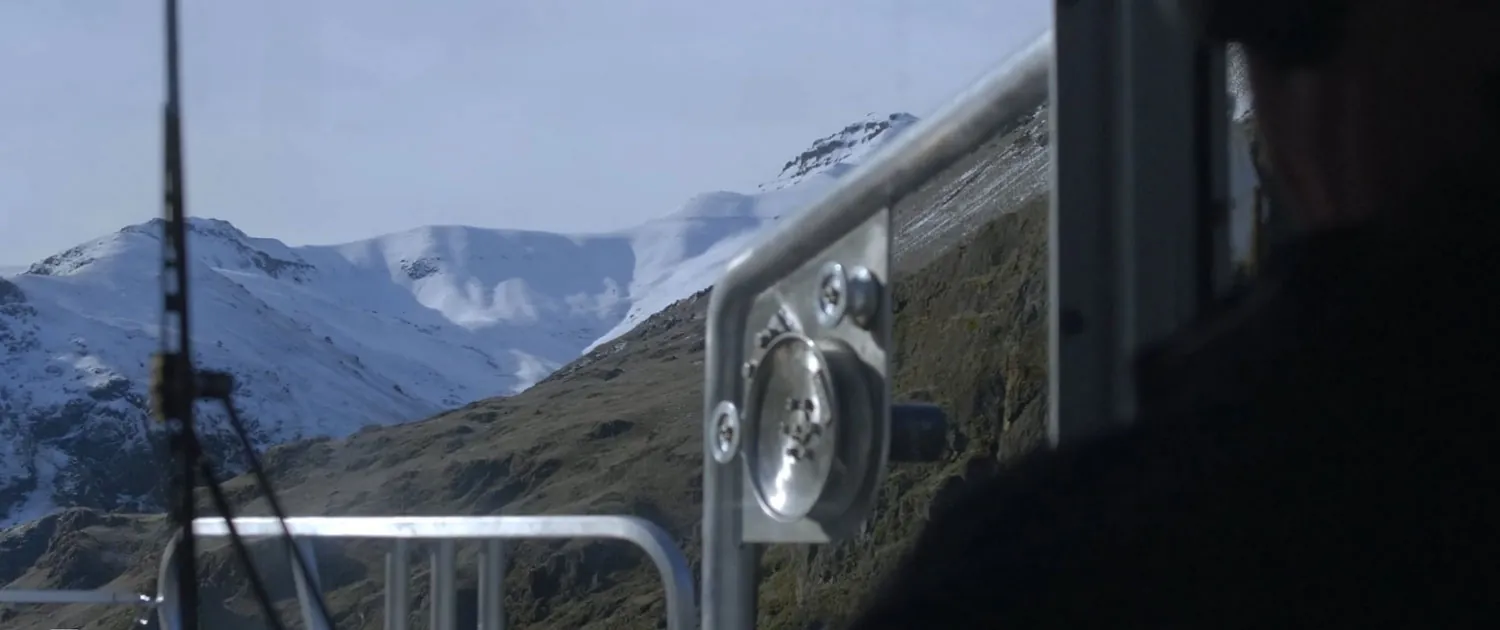
Coverage is the difference between having a beautiful isolated shot and having enough material to build a sequence. A wide establishes the place or action. A medium brings the viewer closer. A close-up can make a reaction, feature, or turning point feel specific. Details, cutaways, and alternate angles give the editor a way to control pace, hide a cut, or emphasize the proof in the message.
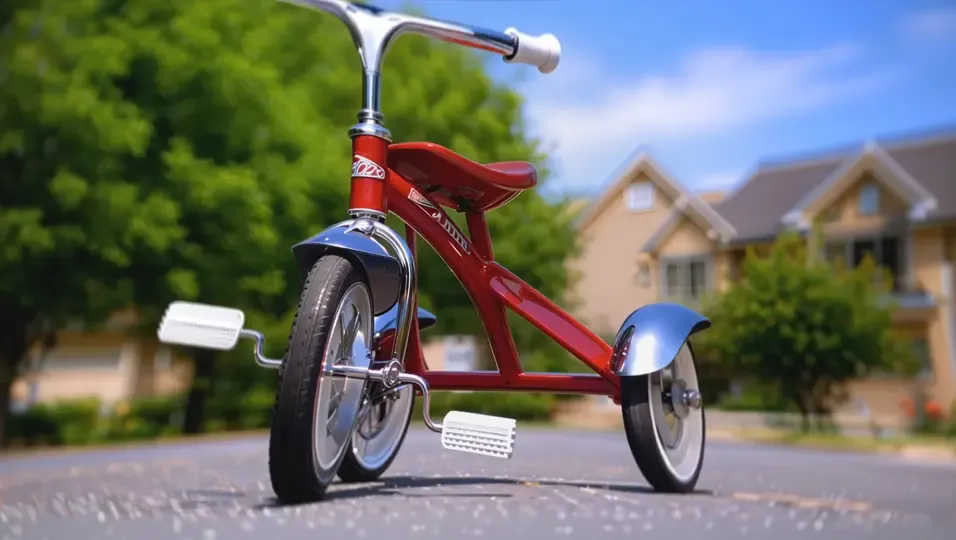
Do not treat that as a requirement to shoot every angle of every action. Choose coverage that earns its place. A simple testimonial may need a strong interview, a clean opening wide, hands at work, customer interaction, and a few authentic details. A product launch may need the reveal, tactile inserts, use in context, feature proof, and room for the end frame. The right mix begins with the job, then gives the editor enough choices to make it persuasive.
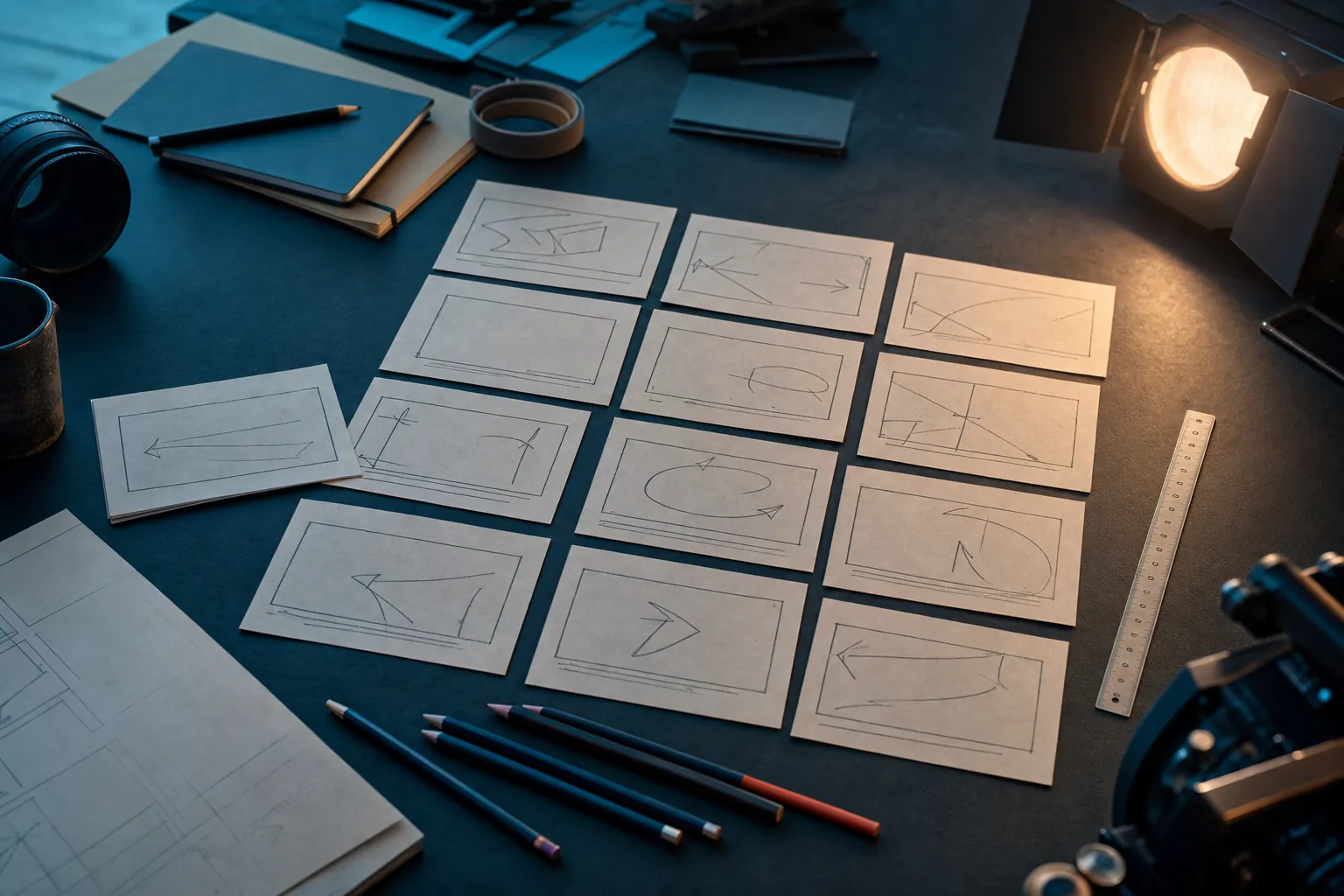
A commercial storyboard is especially useful here. It lets the team see whether the planned sequence has visual variety and whether a key transition is actually supported. The StudioBinder shot-list guide also recommends working from source material such as a script, treatment, or storyboard, then grouping shots into setups before production.
Make versions part of the shot list early
One campaign can need more than one finished film. A horizontal commercial may need vertical social versions, short cutdowns, stills, paid-media end frames, captions, or an alternate opening for another audience. Those needs change what must be captured. If the list only plans for the hero version, the shoot may miss the negative space, framing, or clean detail shots needed to make the supporting work feel intentional.
Put version needs in the notes beside the relevant shot. If a product must sit on the left for copy, say so. If a close-up should be captured cleanly for a vertical crop, say so. If a visual will carry text later, leave room. Planning those choices before the camera rolls is usually far easier than trying to rescue a crop after the fact.
That is also where a connected team helps. Creative Eye Media can plan the production with sound and music, design, and advertising in mind, so the footage is built for the final places people will actually encounter it.
Run a short check before the shoot begins
Read the completed list once as the client, once as the crew, and once as the editor. The client view asks whether the planned images communicate the right promise. The crew view asks whether each setup has what it needs. The editor view asks whether the essential sequence has enough coverage to stay clear and move with purpose.
The Grammar of the Shot companion resources provide both printable and editable shot-list forms alongside storyboards, a useful reminder that these documents work best together rather than as isolated paperwork. Confirm the current script or storyboard, locations, product, talent, permissions, and priority shots before the schedule locks.
Then leave a little room for reality. A strong shot list protects the essential work, but it does not prevent a director or crew from responding to a better light, an unexpected performance, or a useful detail on location. It makes those decisions easier because everyone knows what cannot be lost.
Bring the plan into a better production conversation
A shot list is a practical bridge between an approved idea and the finished campaign. It helps a business see what the shoot day is buying, gives the crew a clearer path through the work, and gives the editor the coverage needed to make each moment count. It is not a substitute for creative judgment. It is how good judgment gets carried into the details.
Creative Eye Media brings campaign thinking, commercial production, sound, design, and advertising into one conversation. If the next project needs a plan that connects the shoot to the final campaign, explore video production services or start a project conversation.
Plan With Clarity
Protect the shots that make the campaign work.
Bring the idea, production day, and final versions into one clear plan before the calendar gets tight.
Frequently asked questions
What should a video shot list include?
A useful shot list gives every planned shot a number, the scene or setup, a clear description of what the viewer sees, framing, movement, sound or dialogue notes, needed people or props, priority, and a way to mark the shot complete. Add only the columns the crew will actually use.
What is the difference between a storyboard and a shot list?
A storyboard shows the visual sequence in frames. A shot list is the working production document that records exactly what must be captured and how the crew plans to capture it. A commercial can use both: the storyboard protects the idea, while the shot list turns it into a practical day.
How detailed should a commercial shot list be?
It should be detailed enough that the director, camera team, client, and editor can identify the intended coverage without guessing. Keep each row short. If one row needs a paragraph, it usually represents more than one shot or an unanswered creative decision.
When should a shot list be finalized?
Build the first version after the script, creative brief, or treatment is agreed, then refine it during pre-production. Bring the current version to the shoot, but keep it flexible enough to protect the essential moments when weather, timing, talent, or location realities change.